
Instalments and bank financing: two very different routes
When a buyer does not pay cash, two routes are open to you and they are nothing alike — confusing them corrupts your accounts. The essential difference: who carries the risk of non-payment?
Instalments: you are the financier
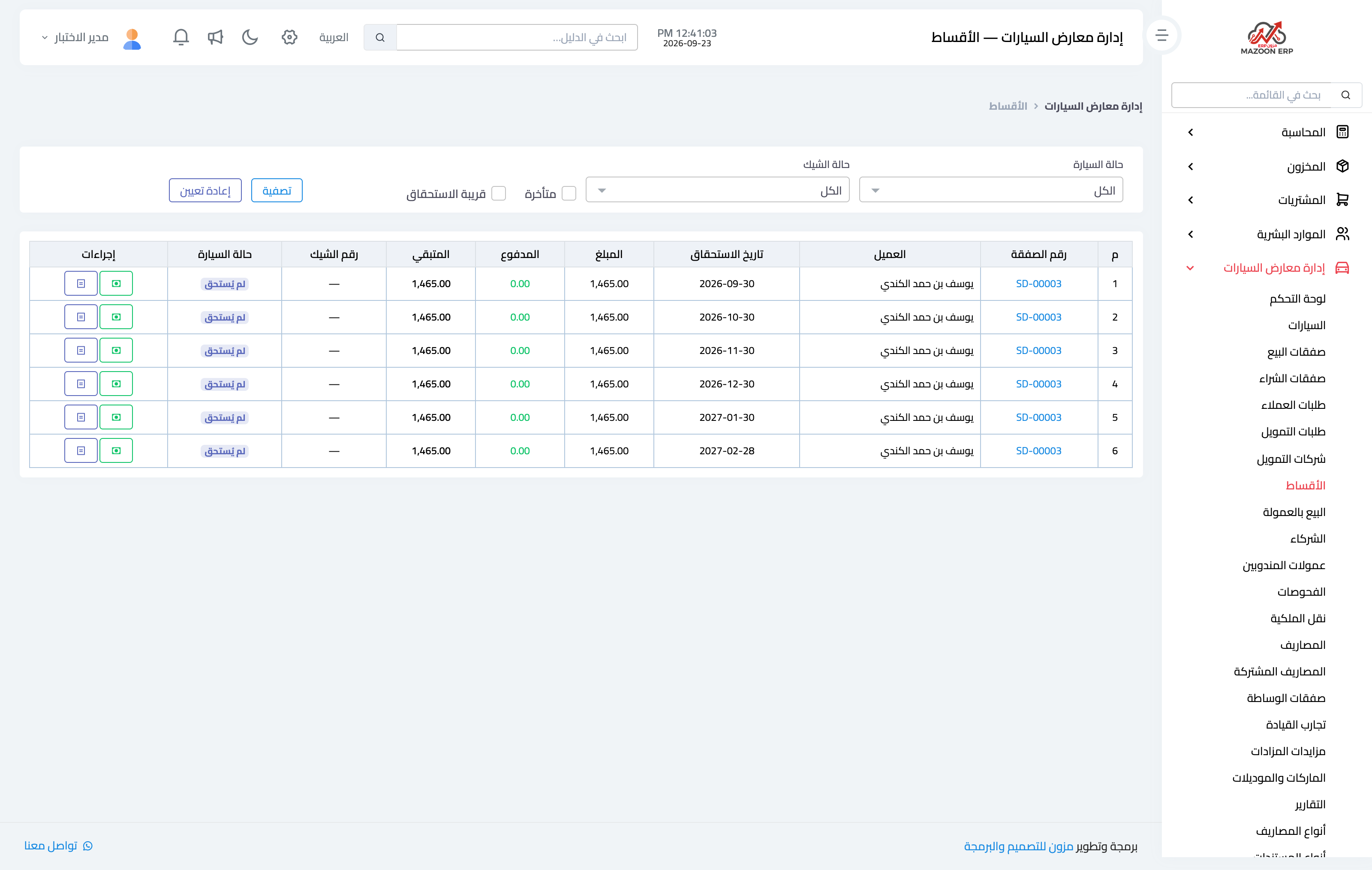
Image 1 — the instalments screen.
With instalments, the debt stays owed to you. You create a plan against the sales deal setting the down payment, the number of instalments, their frequency (usually monthly) and the first due date. The system then generates the whole schedule with its dates and amounts.
Tracking instalments
- Each instalment paid is recorded with its date and method.
- One that passes its due date unpaid is flagged overdue automatically.
- If payment is by cheque, each cheque's state is recorded: under collection, collected, returned.
This route means your money sits with the customer, so follow it seriously through the instalments screen and the receivables report.
Bank financing: the bank is the financier
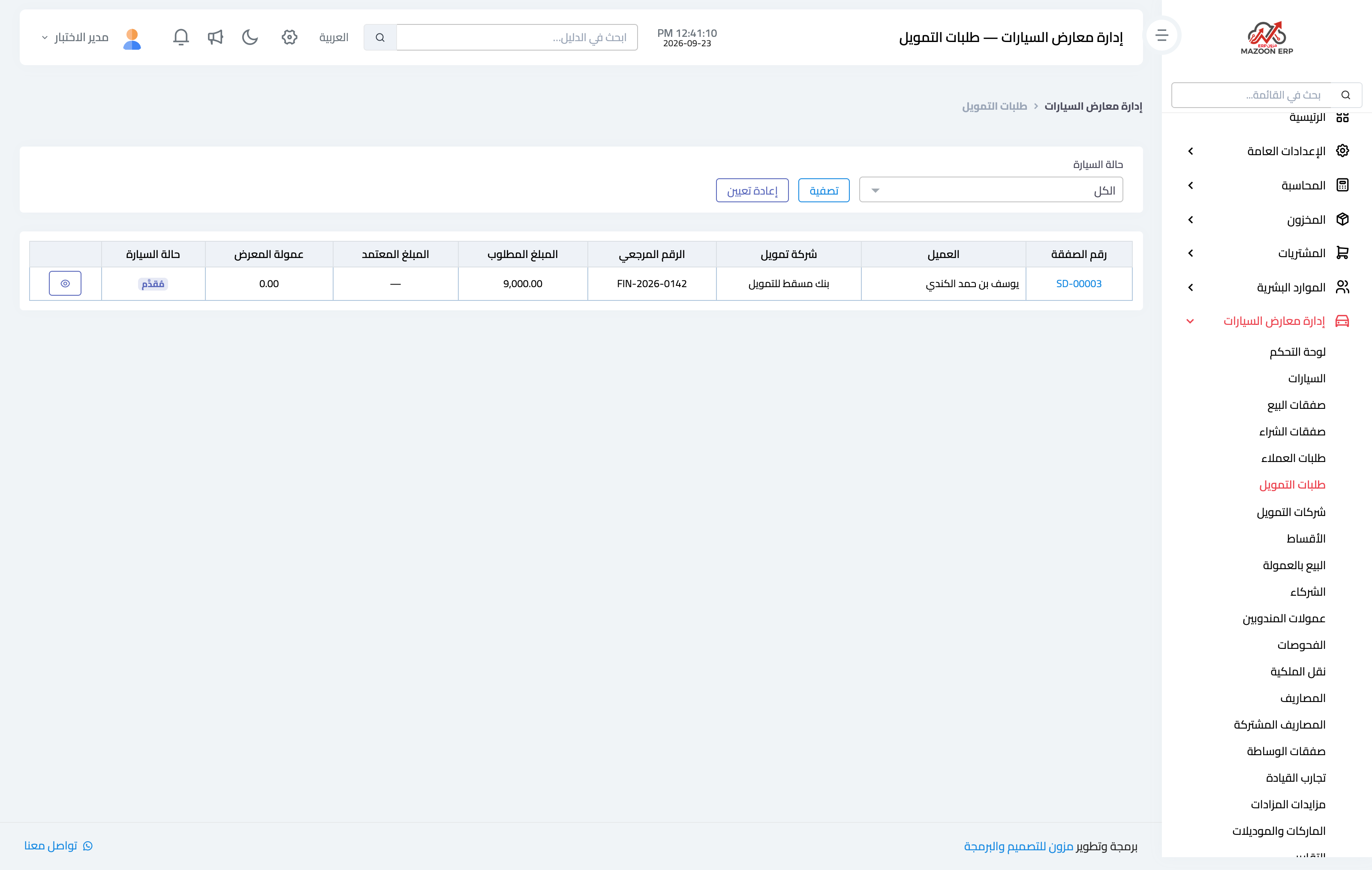
Image 2 — the finance applications screen.
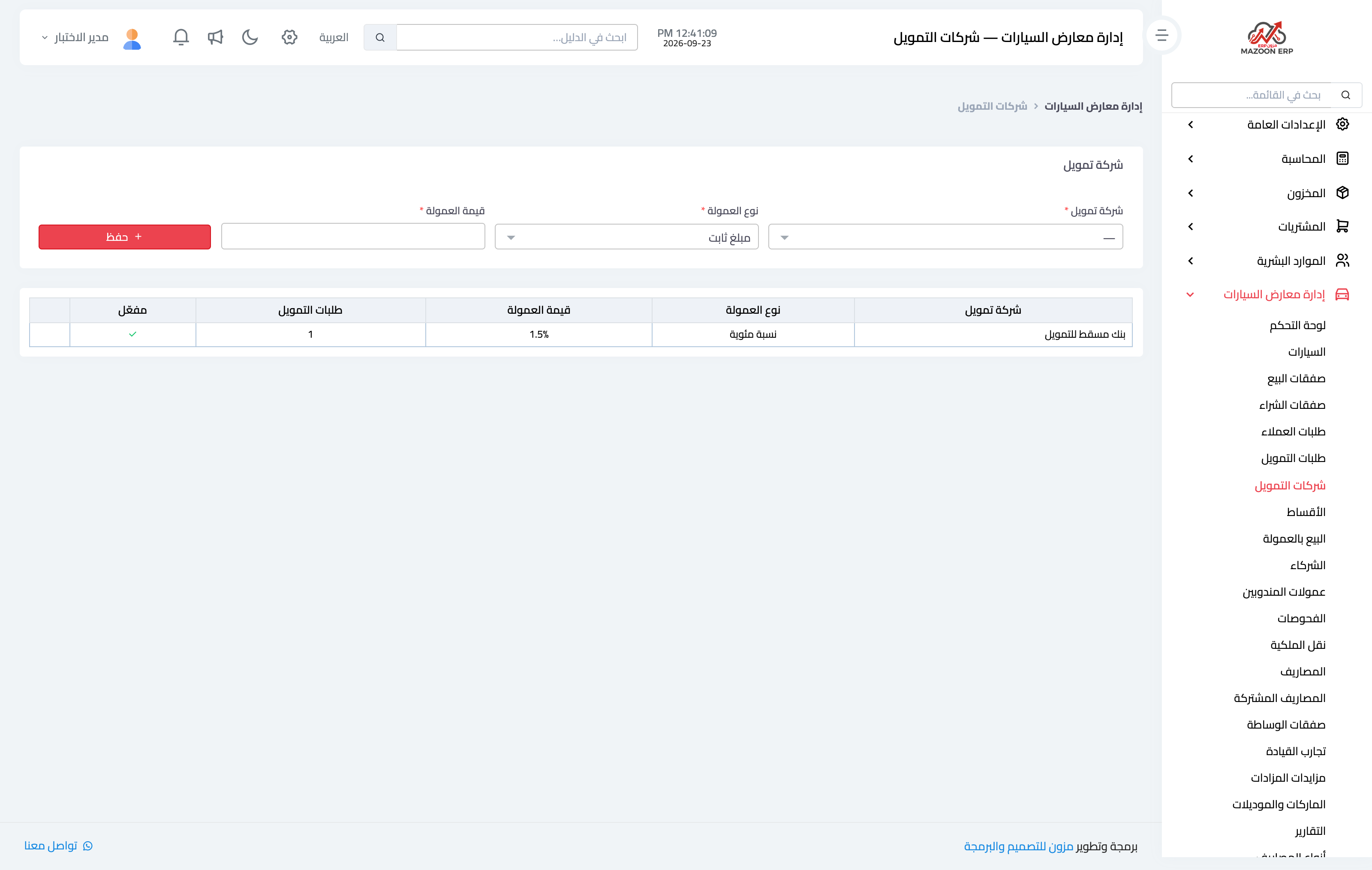
Here you sell the vehicle, the bank pays you, and the buyer repays the bank rather than you. Finance companies are recorded first with their commission terms, then an application is raised against the sales deal with its requested amount and reference number.
Application stages
- Submitted: sent to the bank.
- Approved: possibly for less than you asked.
- Disbursed: the money has actually arrived.
- Rejected: at which point you need an alternative route.
The customer's shortfall
If the bank approves less than the vehicle's price, the system shows you the difference the customer must pay in cash. Do not deliver the vehicle before that gap is covered, or part of the price is left with no source of payment.
Image 3 — the finance companies screen.
Screenshots
Try what you just read on your own data
Open a free 7-day trial — no credit card, with your own company link in minutes.